
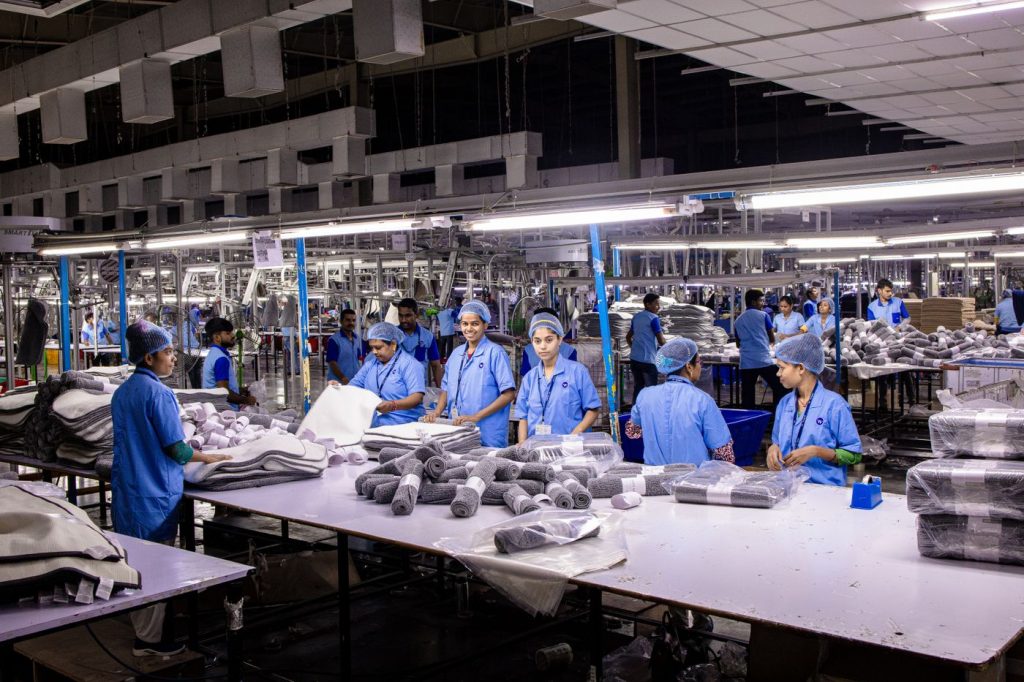
Custom Insole OEM Pricing Guide: What Brands Should Expect to Pay
What drives custom insole OEM pricing — materials, MOQ, tooling, branding and packaging — without fake dollar price tables.

What drives custom insole OEM pricing — materials, MOQ, tooling, branding and packaging — without fake dollar price tables.
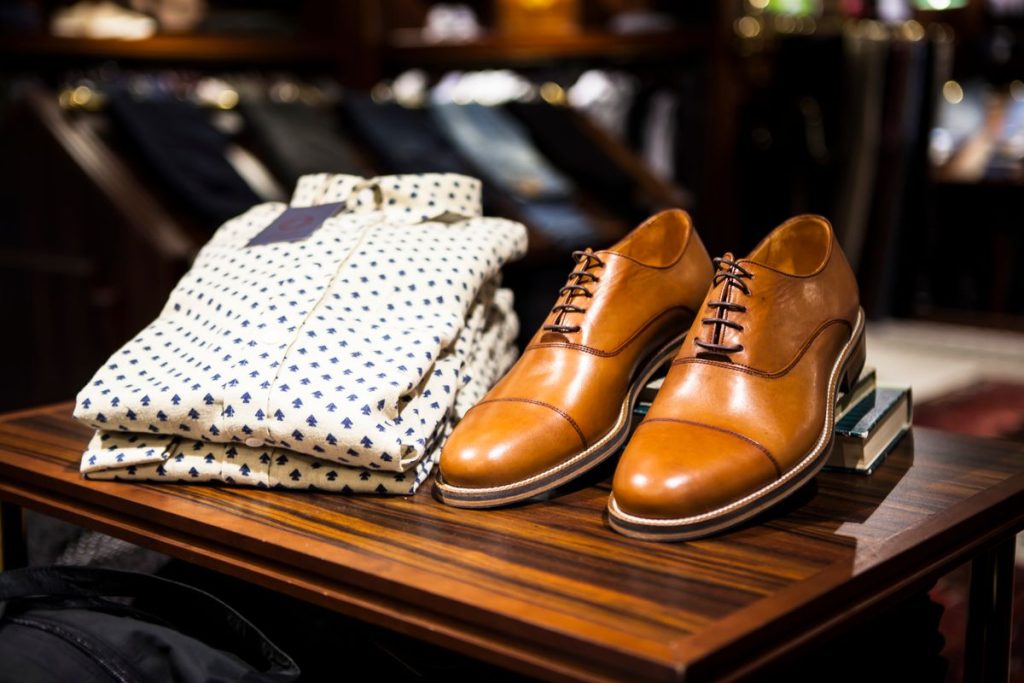
Seven steps to import OEM insoles from China — audit, RFQ, sampling, contract, production, QC, and shipping.
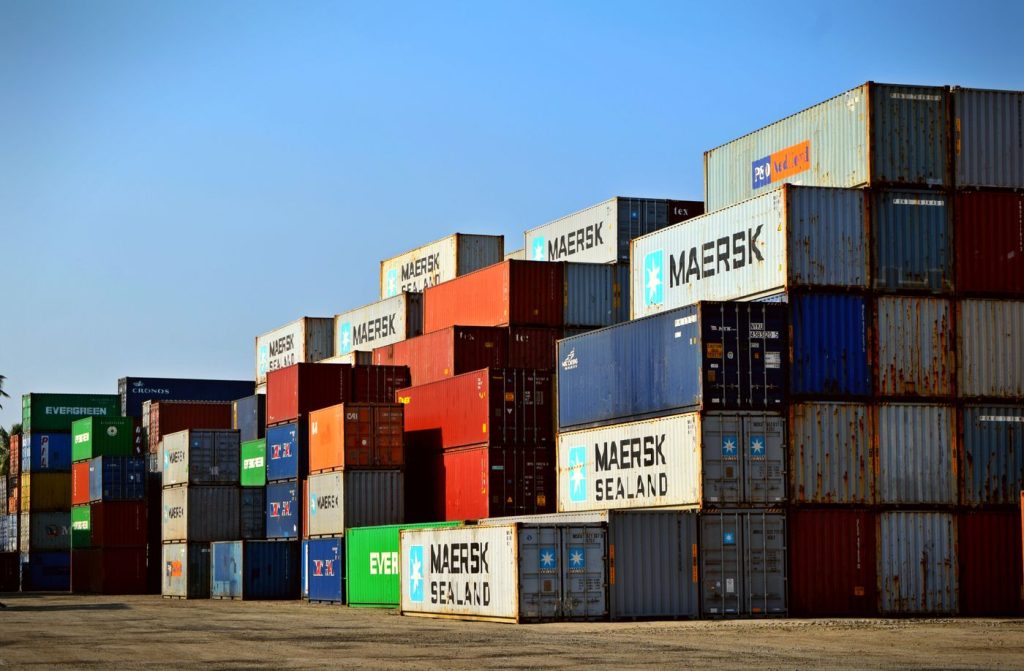
Choose anti-fatigue insole constructions for standing-heavy work — dual-density EVA, gel, and hybrids for private-label brands.
FOB, CIF, EXW and DDP for insole OEM from Guangzhou — what importers should align on the proforma without fake landed-cost tables.
Realistic OEM lead times for custom insoles: RFQ to quote, 5–7 day sampling, 7–15 day bulk production, and what slows private-label launches.
Orthotic vs comfort insoles for private label — how to position support vs cushioning so retail claims match OEM construction.
Factory audit checklist for importers sourcing insoles in China: documents, equipment, QC systems and on-site red flags before you place bulk orders.
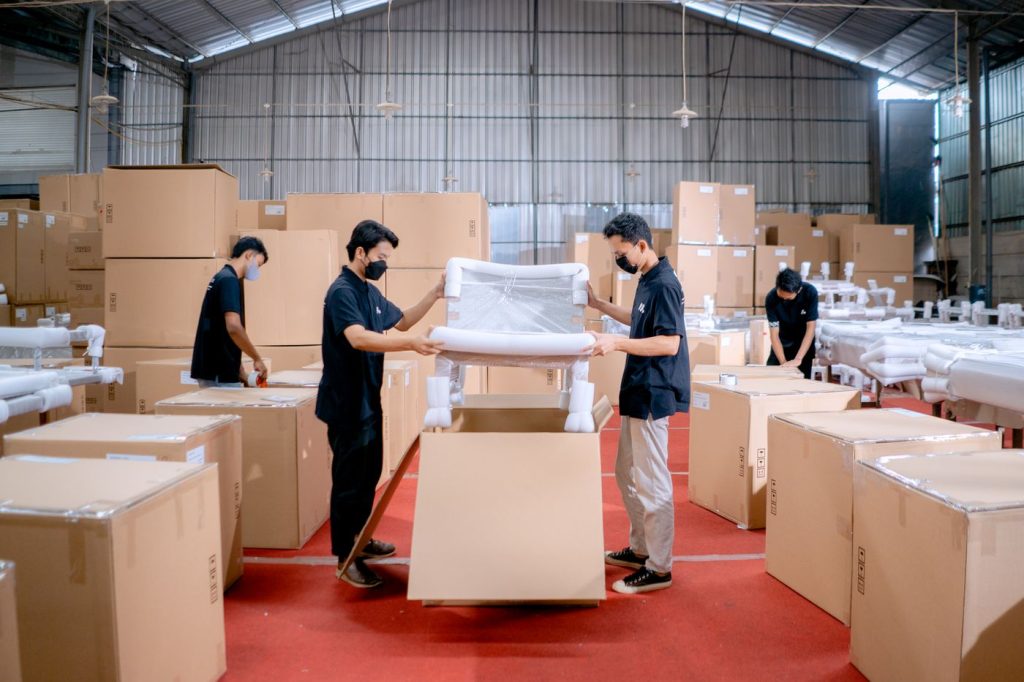
Packaging and labeling options for private-label insoles by retail channel — polybag, hangtag, retail box and marketplace prep — without fake price tables.

How insole sampling works from fit prototype to golden sample — what buyers should wear-test before approving bulk production.

RFQ checklist for private-label insole OEM: quantity, sizes, construction, branding, packaging, destination market and timeline so quotes match your brief.
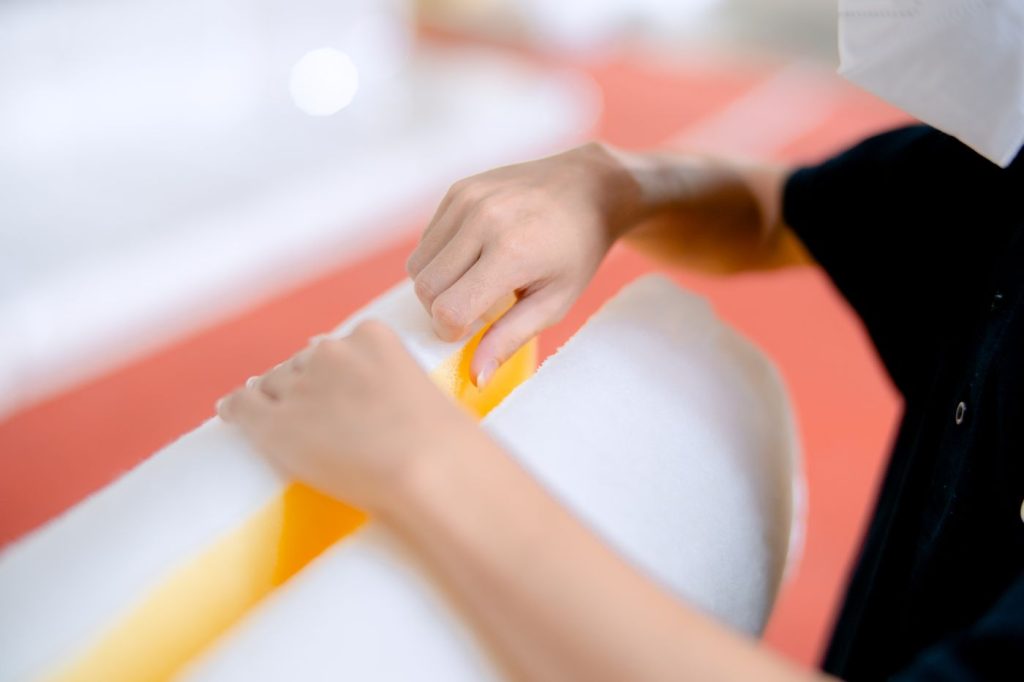
EVA vs gel vs memory foam for private-label insoles — how B2B buyers choose materials by channel, durability expectations, and OEM sampling order.
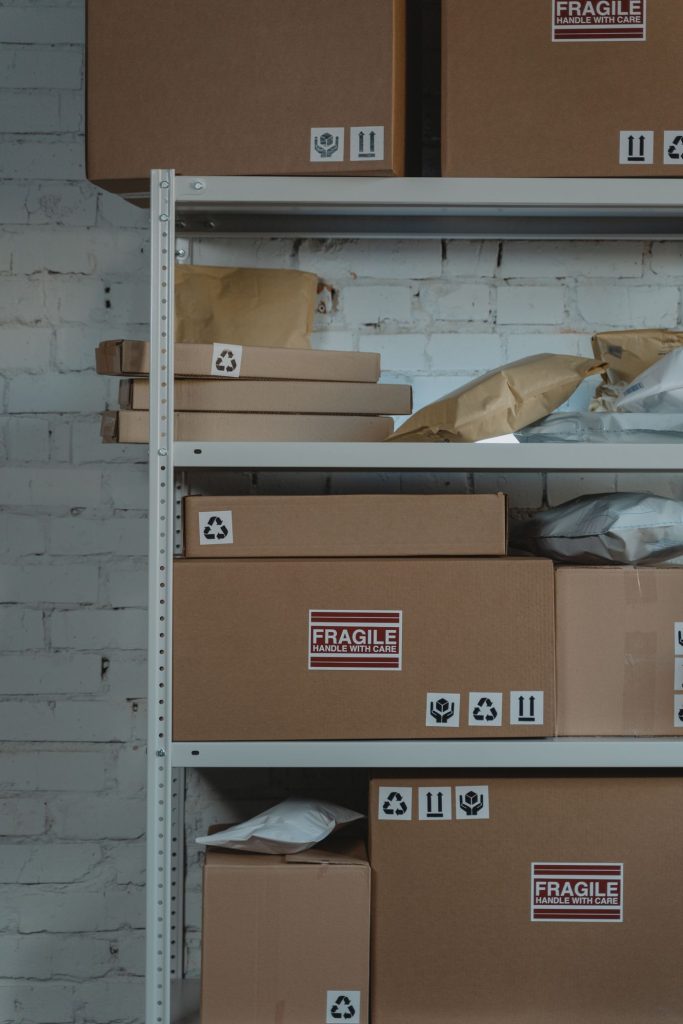
Why insole OEM MOQ is usually planned per SKU, what 1,000 pairs means in practice, and how private-label buyers reduce first-order risk without guesswork pricing.