
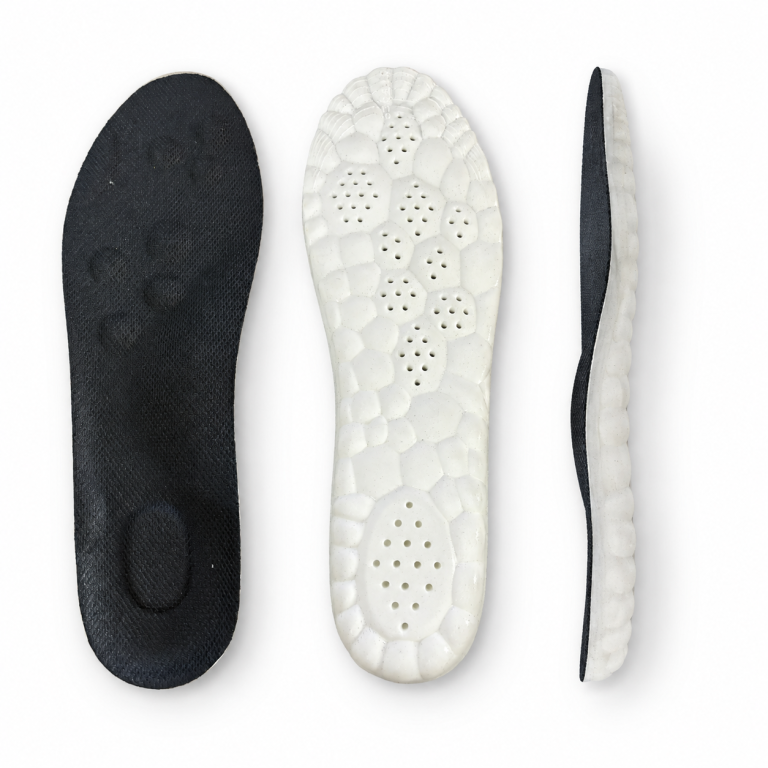
EVA vs TPU vs Carbon Fiber Insoles: Material Comparison for B2B Buyers
B2B comparison of EVA, TPU and carbon-fiber insole platforms — cushioning, support, durability, tooling impact and when each material fits an OEM…
Read Guide →Expert guides on OEM production, material selection, quality control, and importing custom insoles from China.
B2B comparison of EVA, TPU and carbon-fiber insole platforms — cushioning, support, durability, tooling impact and when each material fits an OEM…
Read Guide →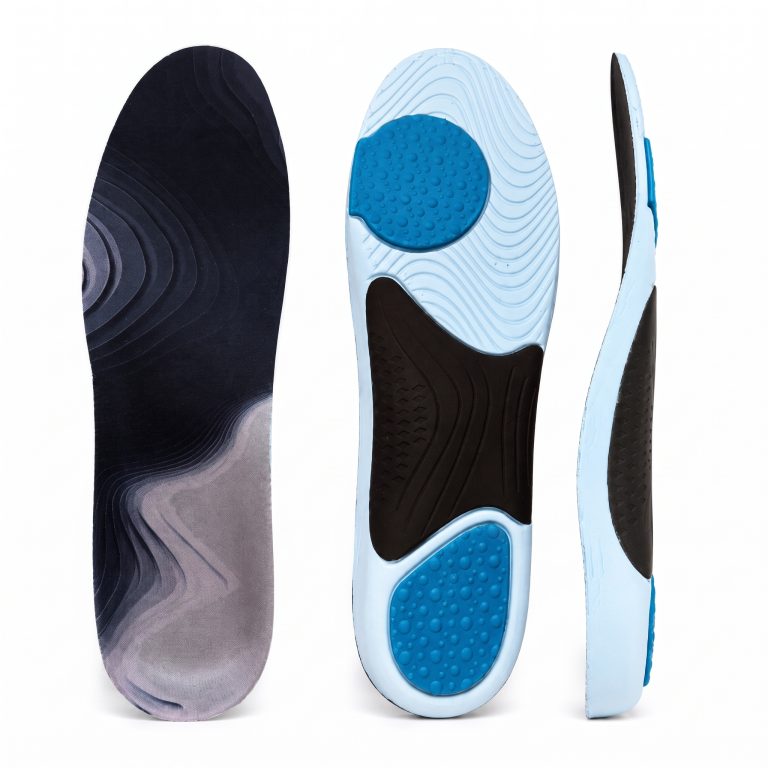
Step-by-step insole manufacturing for B2B buyers — design, materials, molding, bonding, cutting, branding, QC and packing — and how each step affects…
Read Guide →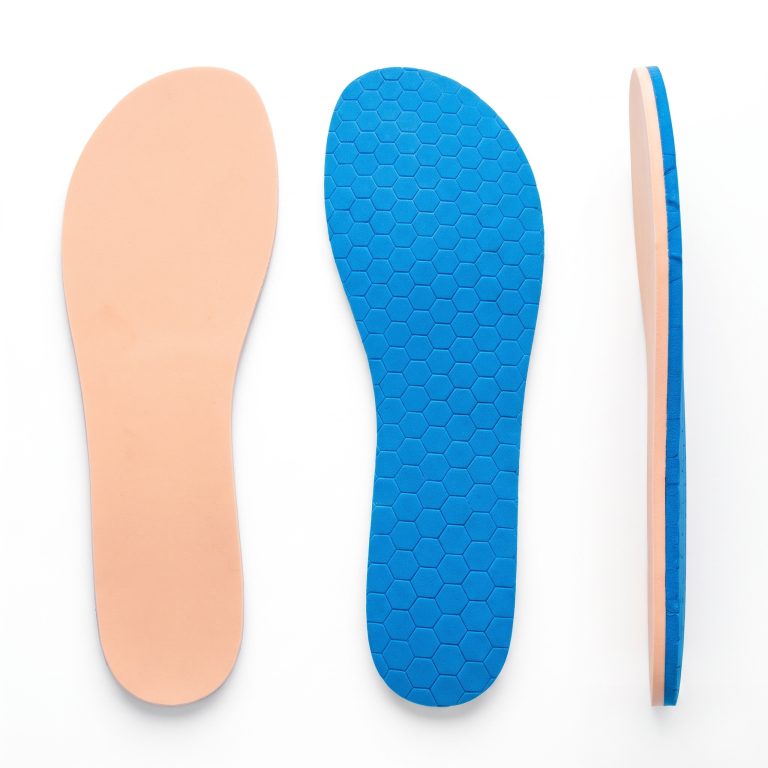
OEM insole sizing: foot length vs insole length, EU/US/UK charts, tolerances, size curves and the measurement fields factories need in an RFQ.
Read Guide →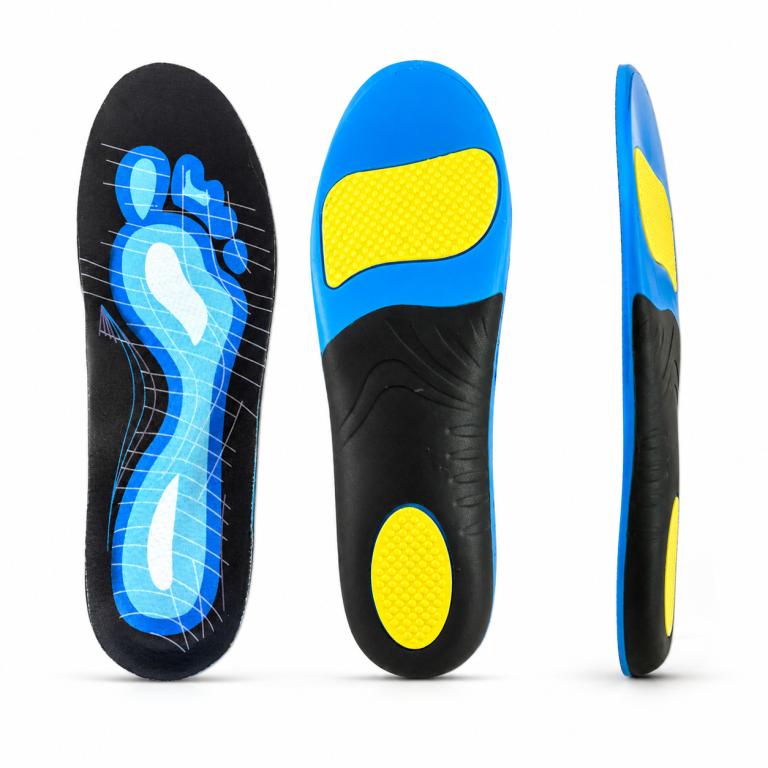
Choose the right insole top cover for OEM and private-label programs — mesh, microfiber, antimicrobial fabrics, leather looks, specs and RFQ fields.
Read Guide →
Smart insoles technology for footwear buyers: sensors, apps, privacy, and why foam OEM stays separate from electronics.
Read Guide →
3D printed insoles OEM buyer guide: print vs mold vs hybrid — education, not “we print all SKUs in 3D”.
Read Guide →
What ESD insoles are for footwear buyers: system thinking, specs, documentation, and custom OEM framing.
Read Guide →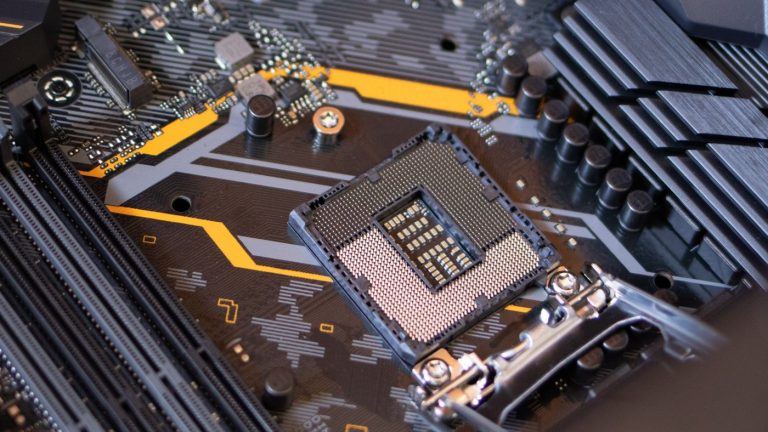
ESD vs anti-static insoles for B2B buyers: definitions, RFQ specs, and custom OEM discussion without overclaims.
Read Guide →
Running shoe insoles for brands: OEM platform choices, hardness windows, sampling, and private-label packaging for athletic programs.
Read Guide →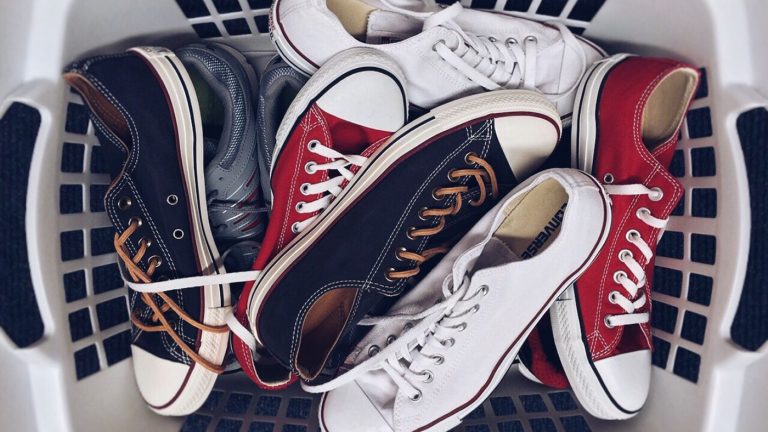
OEM/private-label buyer guide to work-boot insoles: durability, anti-fatigue builds, RFQ specs — not consumer medical advice.
Read Guide →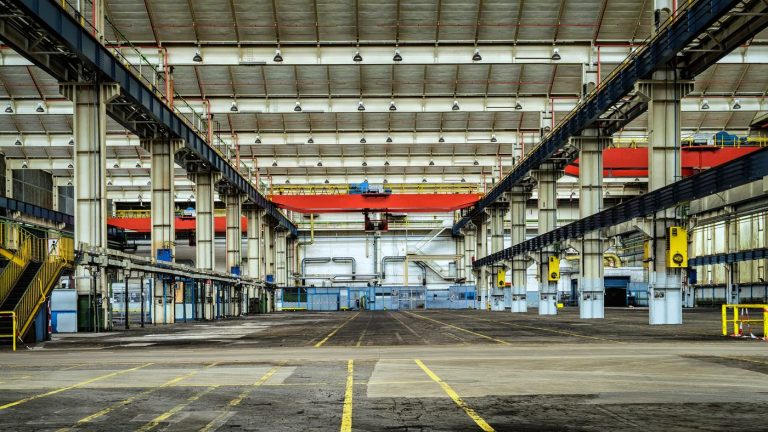
Transparent evaluation framework for EVA insole manufacturers in China — score factories yourself; no unpaid #1 claims.
Read Guide →
Sustainable footwear materials trends 2026 for insole buyers — definition-led RFQs and documentation without overclaimed eco SKUs.
Read Guide →
Footwear industry trends 2026 for insole buyers: channel shifts, material demand, and OEM implications framed as planning notes.
Read Guide →
Insole market trends 2026 for OEM buyers: market trend, buyer behavior, material demand, product development, and preparation notes — not invented market-size…
Read Guide →
Eco-friendly insole manufacturing as buyer diligence: process questions, audits, and documentation for OEM programs without unsupported green claims.
Read Guide →
Bio-based EVA insoles buyer education: feedstock questions, sampling, and documentation — discuss options without claiming algae/bio-based owned lines.
Read Guide →
Recycled EVA insoles for B2B buyers — market demand, supplier questions, and documentation to request, without claiming owned GRS or recycled product…
Read Guide →
B2B buyer education on sustainable insole materials: questions to ask suppliers, documents to request, and OEM planning without overclaimed eco product lines.
Read Guide →
EVA vs gel insoles for B2B buyers — when gel windows help retail, when EVA-only wins, and how bonding QC protects margins.
Read Guide →
EVA vs PU insoles compared for cushioning, rebound, weight, durability, and OEM process implications for B2B private-label buyers.
Read Guide →
REACH-oriented substance evidence, CPSIA-adjacent footwear context, and retailer documentation — framed as buyer requirements, not fake factory badges.
Read Guide →
Compression, rebound, hardness, density, abrasion, flex, and bonding — what B2B buyers should request when testing insole quality.
Read Guide →
A 16-item insole pre-shipment inspection checklist covering quantity, materials, Asker C hardness, bonding, packaging, AQL, and more for B2B buyers.
Read Guide →
When insole molds are needed, what drives tooling cost, how to amortize, and how ownership should be written for OEM buyers.
Read Guide →Get OEM pricing, private-label packaging, and reliable fulfillment from a Guangzhou insole supplier.